
Art, Music, Robotics & More for Your Kids
Find the right after-school programs and summer camps to help your children develop creativity, build confidence, and discover new passions.
Questions Parents Ask
We've gathered answers to help you choose the right fit for your family.
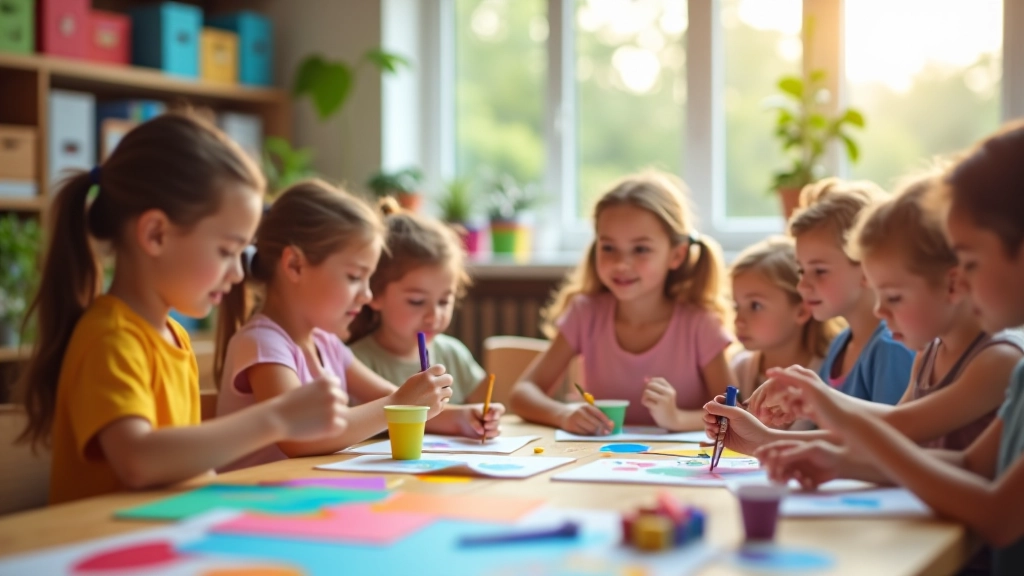
What age can kids start art classes?
Most programs accept kids from age 5 or 6, though some art studios have classes for toddlers too. You'll find structured drawing and painting classes typically start around age 7. The key is finding instructors who understand younger kids — they're patient and make it fun, not about perfect technique.
Do kids need experience for robotics clubs?
Not at all. Most robotics programs have beginner groups specifically for kids with no prior experience. They'll learn coding basics and hands-on building from day one. Advanced groups exist too, so your kid can progress naturally.
How much time do music lessons actually take?
Weekly lessons are typically 30-60 minutes depending on the instrument and your child's age. You'll also want to budget 15-20 minutes for practice at home most days. Some families find group classes work better than private lessons for fitting schedules.
When should we start looking at summer camps?
Spring is ideal. Many camps fill up by May, especially the specialized ones like music intensives or STEM camps. We recommend browsing in March, narrowing down by April, and registering by late April at the latest.
What Families Are Saying
Real experiences from parents just like you.
"Wasn't sure my son would stick with guitar. But his instructor actually made it interesting — showed him songs he liked right away. Now he practices without complaining, which honestly surprised us."
"The robotics club transformed my daughter. She's normally shy but in that room she's confident, asking questions, building things. It's not just about robots — it's about her finding her place."
"We tried two art studios before this one. First one was too rigid, second one felt chaotic. This place struck the right balance — they teach real skills but keep it relaxed. Kids actually look forward to going."
Why After-School Learning Matters
Between school and home, kids need space to explore interests that might not fit into a traditional curriculum. Art builds confidence. Music develops discipline. Robotics teaches problem-solving. Language workshops open doors to different cultures.
We're here to help parents navigate the options. There's no one-size-fits-all program — your child is unique, and their learning should reflect that. Our guides break down what to expect, which programs work best at different ages, and how to spot quality instruction.

Types of Programs We Cover
From one-time workshops to year-round classes, here's what's available.
Art & Drawing
Painting, drawing, sculpture, and mixed media. Classes focus on technique and creative expression.
Music Lessons
Piano, guitar, violin, drums, and voice. Both group classes and private instruction available.
Robotics Clubs
STEM learning through building and coding. Kids work on real projects and competitions.
Language Learning
Spanish, Mandarin, French, and more. Conversation-focused with cultural activities included.
Theater & Drama
Acting, improvisation, and performance. Great for building confidence and stage presence.
Enrichment Workshops
Writing, coding, chess, and more. Short-term focused learning on specific skills.
Summer Camp Selection Tips
How to choose the right camp for your family.
Assess Your Child's Interests
Does your kid want hands-on building? Creative expression? Team sports? Or a mix of everything? Start with what genuinely excites them, not what you think they should do.
Check Camp Structure
Is it full-day or half-day? Overnight or day camp? How much free time do kids get? Read the schedule carefully — some camps are packed, others are more relaxed.
Verify Staff Credentials
Ask about instructor experience and background checks. Don't settle for vague answers. You want instructors who actually know their subject and have experience with kids.
Review Safety & Logistics
What's the student-to-instructor ratio? How's the facility? What happens if your kid gets sick? Is there flexibility if plans change? These practical details matter.
Latest Guides & Resources
Expert advice to help you make informed decisions.

Getting Started with Art Classes for Kids
Find out what supplies you'll need, how to choose between painting and drawing classes, and what to expect from your child's first week.
Read Guide →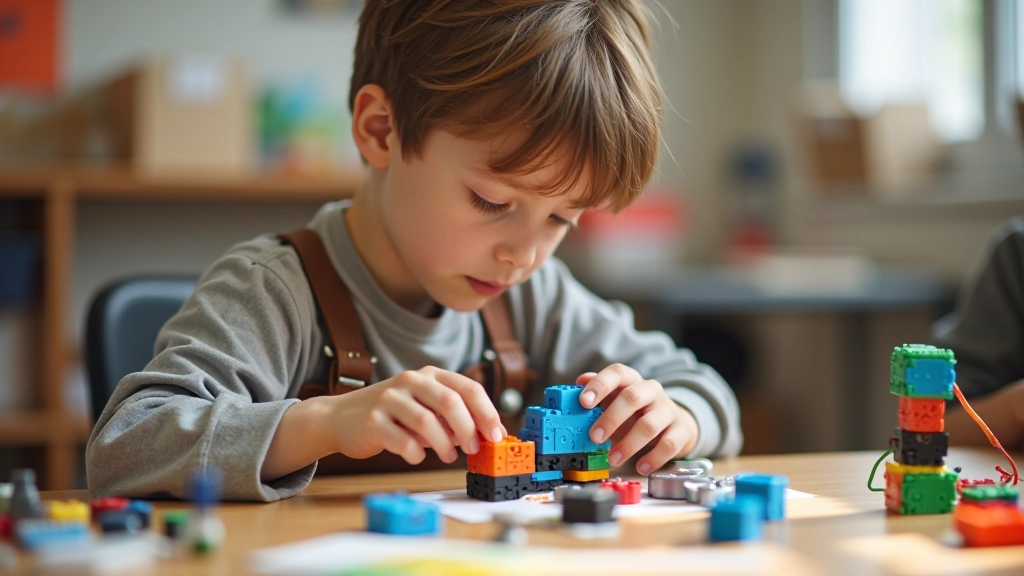
Robotics Clubs: What Parents Should Know
We've asked coordinators about skill levels, time commitments, and whether STEM experience is actually required before joining.
Read Guide →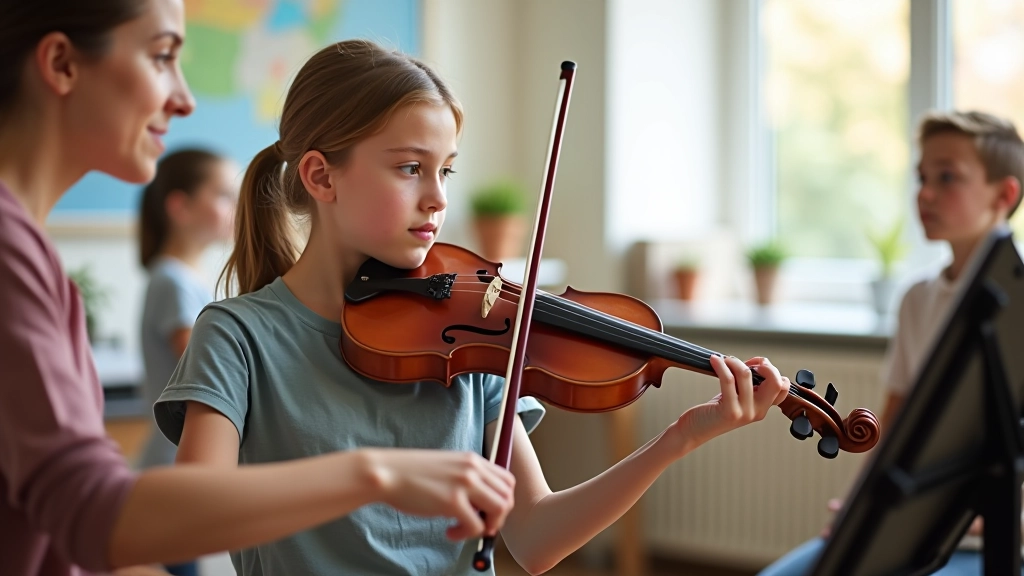
Music Lessons: Choosing the Right Instrument
Wondering if your child should start with piano or guitar? Here's what teachers recommend based on age, interests, and learning style.
Read Guide →Ready to Find the Right Program?
Whether you're exploring options for the first time or switching to something new, we're here to help you navigate the choices and find what works best for your family.
Contact Us for Personalized Help